
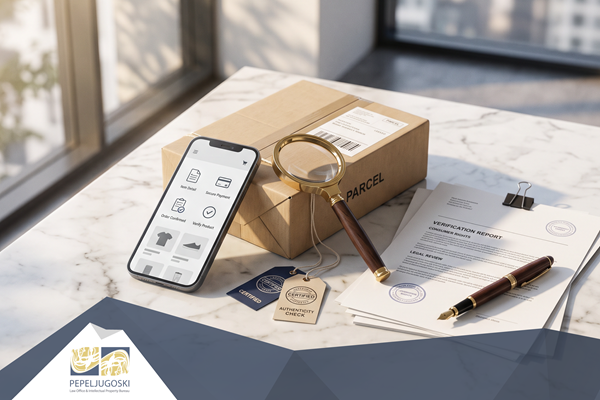
Counterfeit goods are a growing threat to safer online shopping. Research from Corsearch estimates global trade in counterfeits could reach $1.79 trillion by 2030, spanning everything from fashion and beauty to electronics.
Gen Z may be digitally native, but that doesn’t make them scam-proof. A 2023 Deloitte study found younger shoppers are more than three times as likely to fall for an online scam as baby boomers—often because purchases happen quickly inside social feeds, with limited time to verify sellers.
Counterfeits also fit the moment: price pressure makes “affordable alternatives” feel smart, trend culture rewards recognizable designs, and side-by-side “dupe” content can blur the line between look-alikes and fakes. Meanwhile, bad actors use polished storefronts, influencer-style videos, targeted ads, and urgency cues to make suspicious listings seem legitimate.
Reducing demand starts with awareness. The INTA Unreal Campaign highlights the real risks of counterfeiting—from poor quality and safety issues to fraud. TikTok Shop has partnered with INTA to reach younger audiences through relatable content, events, virtual experiences, and social engagement.
Platforms are also strengthening safeguards to stop counterfeits before they reach shoppers. TikTok Shop says it uses policies and verification processes, gives brands reporting tools, and lets shoppers flag suspicious listings in-app. Listings are reviewed using a mix of technology and human moderation—and TikTok Shop reports that 99.7% of unsafe or counterfeit product listings were blocked before going live.
For shoppers, a few quick checks help: be wary of prices far below typical retail and “limited time” pressure, scrutinize product photos and spelling/branding, and read reviews and return policies carefully. If something feels off, use the in-app menu (the three dots on a product page) to report concerns such as scams, fraud, or intellectual property infringement.
No single company can solve counterfeiting alone. Collaboration among platforms, brands, and industry groups can strengthen enforcement, improve reporting, and give shoppers clearer signals of authenticity—while reinforcing why buying fakes carries real costs.
The goal is simple: keep discovery fun, but make purchases trustworthy. With stronger prevention, faster enforcement, and more education, shoppers can buy with more confidence from scroll to checkout.