
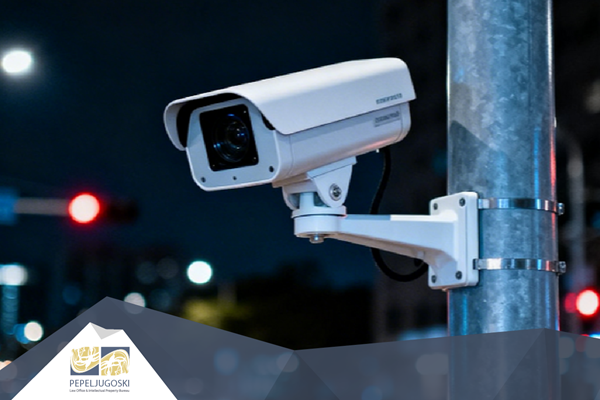
“Safe City” is a specialized electronic system, consisting of a network of high-resolution cameras, radars, and sensors installed on public roadways. Its purpose is the automatic recording and penalizing of traffic violations, while reducing the human factor in the detection and issuance of fines.
Following amendments to several laws related to the recording, sanctioning, and notification of traffic offenses, the “Safe City” system officially commenced operations on February 1, 2026. Below are the most frequently asked questions regarding the operation of this specialized electronic system.
1. Which violations will be detected and penalized in the first phase of “Safe City”?
– In the initial phase, the system records and penalizes: running a red light where traffic is regulated by light signaling devices, speeding beyond the permitted limit, illegal lane changes and driving an unregistered vehicle.
2. Can the cameras record at night or in poor weather conditions?
– Yes. The system utilizes cameras and sensors capable of detecting vehicles and license plates in total darkness or adverse weather conditions.
3. Does “Safe City” detect and issue fines for stopping and/or parking on boulevards and streets where it is prohibited?
– In the initial phase of the system’s application, the recording and penalizing of improper stopping and/or parking on prohibited streets is not yet active.
4. What if someone else was driving my vehicle when the violation occurred?
– If the owner was not driving at the time of the offense but knows who was, they are obliged, within eight days of receiving the traffic violation record and payment order, to personally visit the competent organizational unit of the Ministry of Interior accompanied by the driver. The driver must provide a statement confirming they were operating the vehicle and provide their mobile number and email address, or the owner or the driver may submit a notarized statement from the driver confirming they were operating the vehicle at the time of the offense. This statement must include the driver’s mobile number and email address.
If the vehicle owner is a legal entity (company), it is mandatory to submit a travel order (logbook) or another appropriate document identifying the person authorized to drive the vehicle at the time of the violation.
5. What if I run a red light to make way for an ambulance or police vehicle?
– The “Safe City” system is designed to record a video clip of several seconds before and after the violation. If an owner receives a fine in such a case, they should contact the nearest MOI branch within the prescribed period. If the saved video clearly shows the vehicle moving solely to clear a path for a vehicle with sirens/rotating lights (ambulance, fire, or police), the fine will be annulled.
6. Are emergency service vehicles from private security agencies or utility companies (heating, water, electricity) recorded by the system?
– Yes. According to current legal regulations, only ambulances, fire trucks, and police vehicles are exempt from penalties and only in specific cases when performing urgent tasks with their rotating lights activated.
7. Can the reporting of an employee who committed a violation with a company vehicle be done at any MOI branch?
– Yes, this can be processed at all regional MOI departments.
8. Can only the manager of a company submit driver data to the MOI?
– No. Reporting the driver can also be done by an employee who has received specific authorization from the manager to submit data regarding traffic violations to the MOI.
9. Does a legal entity have to submit proof of payment to the MOI after paying the fine?
– No. Payment of the fine is automatically recorded in the MOI system, and there is no need to submit additional proof of payment.
10. Can a legal entity accept guilt and pay a fine on behalf of an employee to prevent them from losing their driver’s license?
– The owner or user of the vehicle cannot accept guilt for an offense committed by another person when the electronic record clearly identifies the actual perpetrator.
Any attempt to conceal a person who committed a violation (especially one that carries a mandatory driver’s license suspension) may result in additional legal proceedings against both the legal entity and the responsible official (manager) for “concealing a perpetrator.”